contact@girwildlifesanctuary.in
+91-9821579005 | +91-9821579005
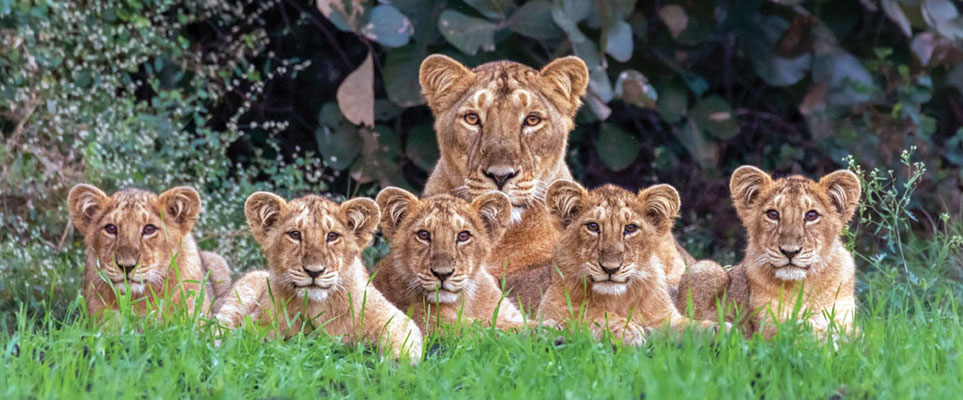
Recently, a tragic loss of eight Asiatic lion cubs in Gujarat's Gir National Park has saddened wildlife lovers and conservationists all over India. When asked about the issue, Gujarat Forest Minister Arjun Modhwadia stated that the deaths were due to heatstroke caused by unfavorable weather, not because of the Babesia parasite or infection.
Forest officers said that these eight cub deaths happened at different sites in the Gir Forest during a harsh summer season. For many days, the temperature was high, which caused difficult conditions for wildlife, especially cubs, which are vulnerable to such conditions. The minister stated that many experts, along with forest staff, have examined 600 lions, of which 17 are ill and 11 have been released into the forest. The samples from the infected cubs were sent to verify whether there was any infection, and authorities clarified there were no reports of any widespread viral disease among the lions.
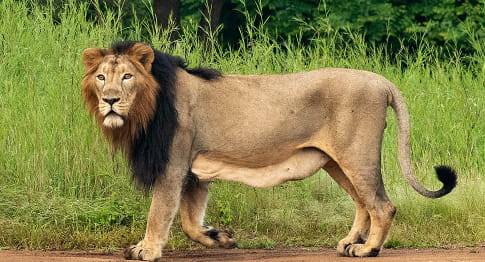
The Gir Wildlife Sanctuary and its surrounding forests in Gujarat are home to the only wild Asiatic lion population. Gujarat has received high praise for its conservation efforts, which have increased the lion population of this majestic species. However, climate change has presented a new threat to wildlife management. The experts also stated that heat stroke is a serious health risk for cubs. Cubs have a lower tolerance for high temperatures than adults, which leads to dehydration and body exhaustion in a short period of time, weakening their immune system and making them more vulnerable to further problems.
Forest officers have assured that there should not be concerns about a major health crisis among the Gujarat lions. Monitoring teams are constantly working on checking the lion population and their health status all around Gir Wildlife Sanctuary, and animal experts have been placed on duty to be alert for any potential risks and to provide assistance as and when needed.
The Gir National Park area has experienced many variations in temperature over the past few weeks, and experts feel that the changing climate is increasing the danger for many animals, which in turn leads to rising temperatures. Despite lions' innate ability to survive the heat, intense heat waves still pose extreme risks to the newborn and the cubs.
In light of these unfortunate deaths, the Gujarat Forest Department has taken more precautions. More water points are now kept near and across the habitats for the easy availability of drinking water to the lions, and the number of monitoring teams deployed across Gir has also been increased to keep an eye on lion prides, especially those living in areas with higher temperatures.
Conservationists have drawn attention to the importance of climate-resilient wildlife management methods. In many regions across India, as temperatures increase, it will be essential for protected areas to have additional resources to help animals survive extended heat waves. Better water facilities, management of habitats, and constant monitoring of their health will now have to be a more significant part of the conservation plan.
The deaths of eight Asiatic lion cubs highlight that the species face not just challenges of habitat loss and poaching but also environmental changes and extreme weather conditions. Understanding such risks is essential for their survival in the long run.
Despite such incidents, the forest department maintains confidence about the present lion population in Gir. Reports continue to indicate a healthy growth of lions at the park, and authorities are confident that the species is safe with all possible measures taken care of.
Although the Asiatic lions in Gujarat have achieved successful conservation so far, wildlife experts stress that vigilance should not waver for newer challenges. The deaths of these cubs are an example of the growing threat posed by intense heat waves to the wild and the need to reorient conservation plans to adapt to such climatic conditions.
The government and forest department of Gujarat are committed to protecting the lions while using scientific assessments to guide future management practices, focusing on enhanced protection for vulnerable cubs during such conditions.